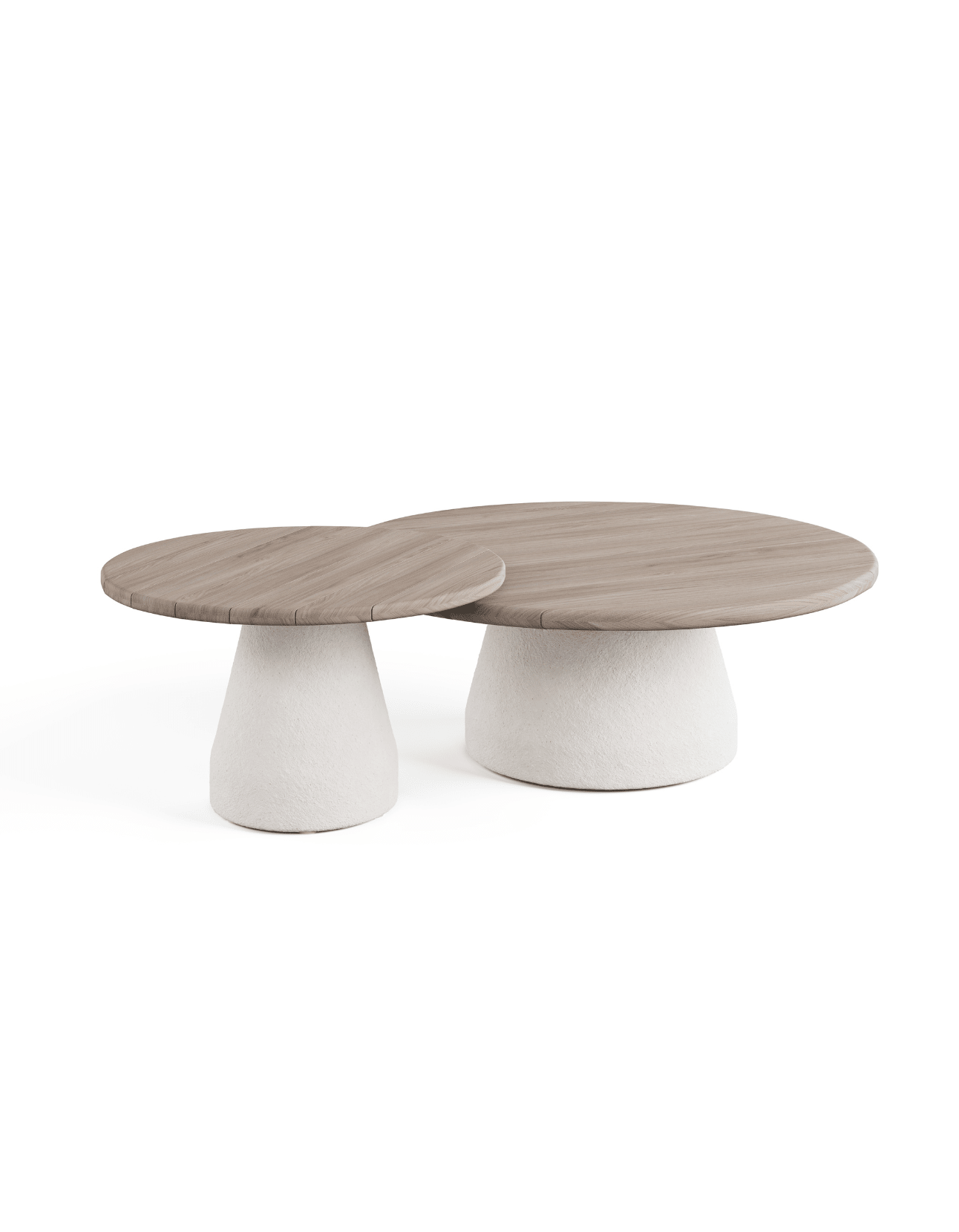
Why We Choose Teak Over Acacia Every Time
Designing your outdoor oasis is about more than just aesthetics it is about creating a sanctuary that lasts. When browsing outdoor furniture, you will frequently encounter two popular wood choices: Acacia and Teak.
While both are hardwoods, they perform very differently when exposed to the elements. At Sissonne Outdoor, we believe in the "buy nice or buy twice" philosophy. While Acacia has its place in the market, there is a reason we exclusively use premium Teak for our collections.
Here is the honest breakdown of why Teak remains the gold standard for luxury outdoor living.
The Contender: Acacia Wood
Acacia is a hardwood native to tropical and warm temperate regions, particularly Australia and Africa. It is often used for flooring and furniture due to its attractive grain and lower price point.
The Pros of Acacia
-
Visual Appeal: Acacia is known for its distinctive, wavy grain patterns and warm colours ranging from light yellow to dark brown.
-
Renewable: It grows quickly, making it a generally eco-friendly resource.
-
Hardness: In terms of Janka hardness (resistance to denting), Acacia is tough and durable.
The Cons: Why It Doesn't Make the Sissonne Cut
While Acacia is decent wood, it requires significant babying to survive outdoors.
-
Sensitivity to Weather: Acacia is not waterproof. If left untreated in rainy or humid climates, it can warp and crack.
-
Sun Damage: In direct sunlight, Acacia tends to dry out, leading to shrinking and splintering.
-
High Maintenance: To keep Acacia viable, it requires regular cleaning and sealing. It is also sensitive to common substances like alcohol, perfumes, and silicone-based cleaners, which can damage the finish.
The Champion: Teak Wood
Teak (Tectona grandis) is native to South and Southeast Asia and has been the premier choice for shipbuilding for centuries due to its unparalleled ability to repel water.
The Sissonne Difference: Why We Use Teak
Teak is not just wood; it is a high-performance material engineered by nature.
1. Nature’s Waterproofing Teak is packed with natural oils (specifically tectoquinone, caucho, and silica) locked into its cell walls.
-
These oils serve as a natural pesticide, making the wood uninviting to termites and pests.
-
The high oil content makes Teak more resistant to rot, fungi, mold, and mildew than any other wood used in furniture.
2. Built for Extremes While Acacia struggles with moisture and heat, Teak thrives in them. It is resistant to warping, cracking, or splitting, even when wet. Whether you live in a salty coastal region or a high-heat desert, Teak maintains its structural integrity.
3. The Forever Investment With proper care, Teak furniture can last 75 years or more. While Acacia furniture will likely need to be replaced as it weakens over time, Teak is an heirloom investment that lasts a lifetime.
A Note on Sustainability
One of the arguments often made for Acacia is that it is fast-growing. However, Teak can be sustainable when sourced correctly.
Historically, the demand for Teak led to illegal logging. This is why Sissonne Outdoor exclusively uses FSC-certified Teak.
-
FSC Certification ensures that the forest is managed to preserve biological diversity and benefit local communities.
-
We ensure our furniture supports the environment rather than depleting it.
The Bottom Line: Price vs. Value
There is no denying that Acacia is cheaper upfront. However, when you factor in the cost of maintenance products and the likelihood of needing to replace the furniture after a few seasons of sun and rain, the cost rises.
Teak is an investment. It is the "gold standard" of outdoor materials. When you buy a Sissonne Outdoor Teak set, you are purchasing furniture that will host your family gatherings for decades, not just years.
Other Woods You Might See (And Why We Don't Use Them)
-
Eucalyptus: A strong contender that can last up to 25 years, but still requires more care than Teak.
-
Cedar: A softwood that resists rot but is lightweight and less durable against dents than hardwoods.
-
Mahogany: Beautiful but fades quickly in sunlight and requires significant maintenance to keep its colour.