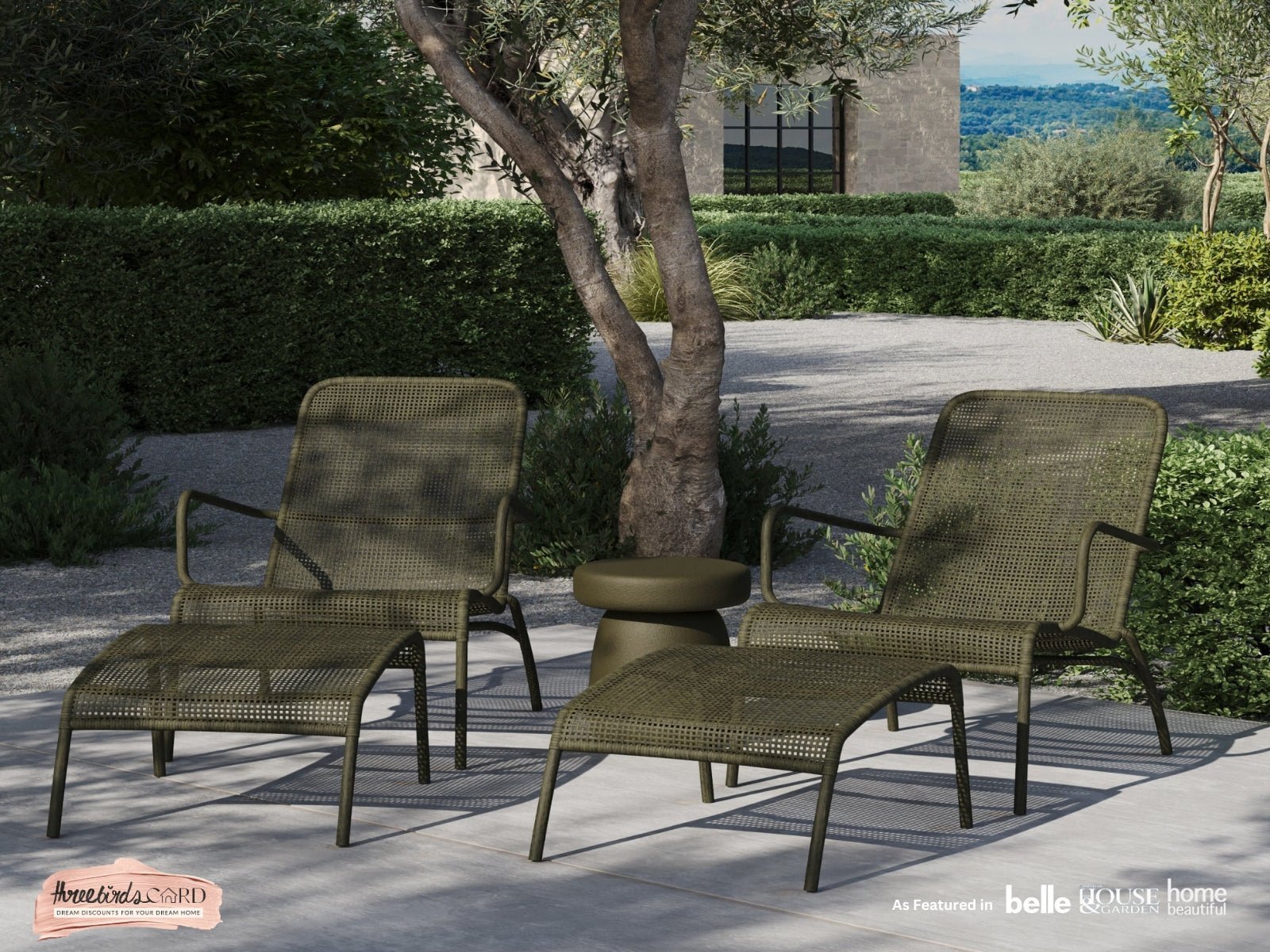
The Sissonne Guide: How to Choose Outdoor Furniture That Lasts a Lifetime
Creating your dream outdoor space is an exciting investment, but it can be daunting if you don't know where to start. Perhaps you have purchased patio furniture in the past, only to watch it deteriorate and fall apart after just a year or two.
At Sissonne Outdoor, we believe your exterior living space deserves the same quality and longevity as your interior. Outdoor spaces are becoming more valuable than ever, making it vital to choose high-quality pieces that withstand the elements season after season. Choosing durable furniture isn't just better for your wallet in the long run; it prevents disposable furniture from ending up in landfills after short-term use.
Here is everything you need to know about materials, craftsmanship, and design to ensure your furniture stands the test of time.
1. The Foundation: Premium Materials
It is tempting to opt for inexpensive price tags when the weather warms up, but replacement costs add up quickly when cheap furniture fails. Exposure to wind, rain, and sun will quickly deteriorate low-quality items, which is why investing in premium materials is essential for year-round durability.
Here are the top materials we recommend for longevity:
Teak: The Gold Standard
Teak is widely considered the gold standard for wooden outdoor furniture.
-
Durability: As a premium material, it is renowned for its durability and low maintenance requirements.
-
Resistance: Teak naturally repels moisture and deters pests, such as termites.
-
Weathering: Its inherent resistance to mildew and weather makes it a top choice for long-lasting furniture.
Aluminum
Aluminum is incredibly strong and corrosion-resistant, particularly when it is powder-coated. It is low-maintenance, easy to clean, and extremely durable. It is often used in furniture frames to provide a lightweight yet sturdy structure.
Synthetic Wicker
While natural rattan is beautiful, it is not weather-resistant and can fade or fray with year-round exposure.
-
The Upgrade: Synthetic weather wicker, made from materials like polyethylene, is much more durable.
-
Performance: It is designed to withstand sunlight, moisture, and harsh weather conditions better than natural fibres.
Sustainable HDPE
High-Density Polyethylene (HDPE) is a synthetic material that is both weather-resistant and environmentally sustainable. Made from landfill-bound plastics, it handles the wear and tear of weather easily while offering a unique aesthetic.
2. The Build: Exemplary Craftsmanship
Material quality is only half the battle; high-quality craftsmanship is required to ensure durability.
-
Joinery: Superior joinery techniques contribute significantly to the strength and longevity of the furniture. Well-constructed sets do not cut corners on fixings for the sake of cost.
-
Hardware: Using marine-grade hardware prevents rust and structural failure.
-
Finishes: A well-applied finish or protectant helps protect against warping, rotting, and weather-induced damage.
3. Design and Functionality
You should never have to compromise style for function. Whether you are looking for a modular sectional or a dining set, the design should blend durability with comfort.
-
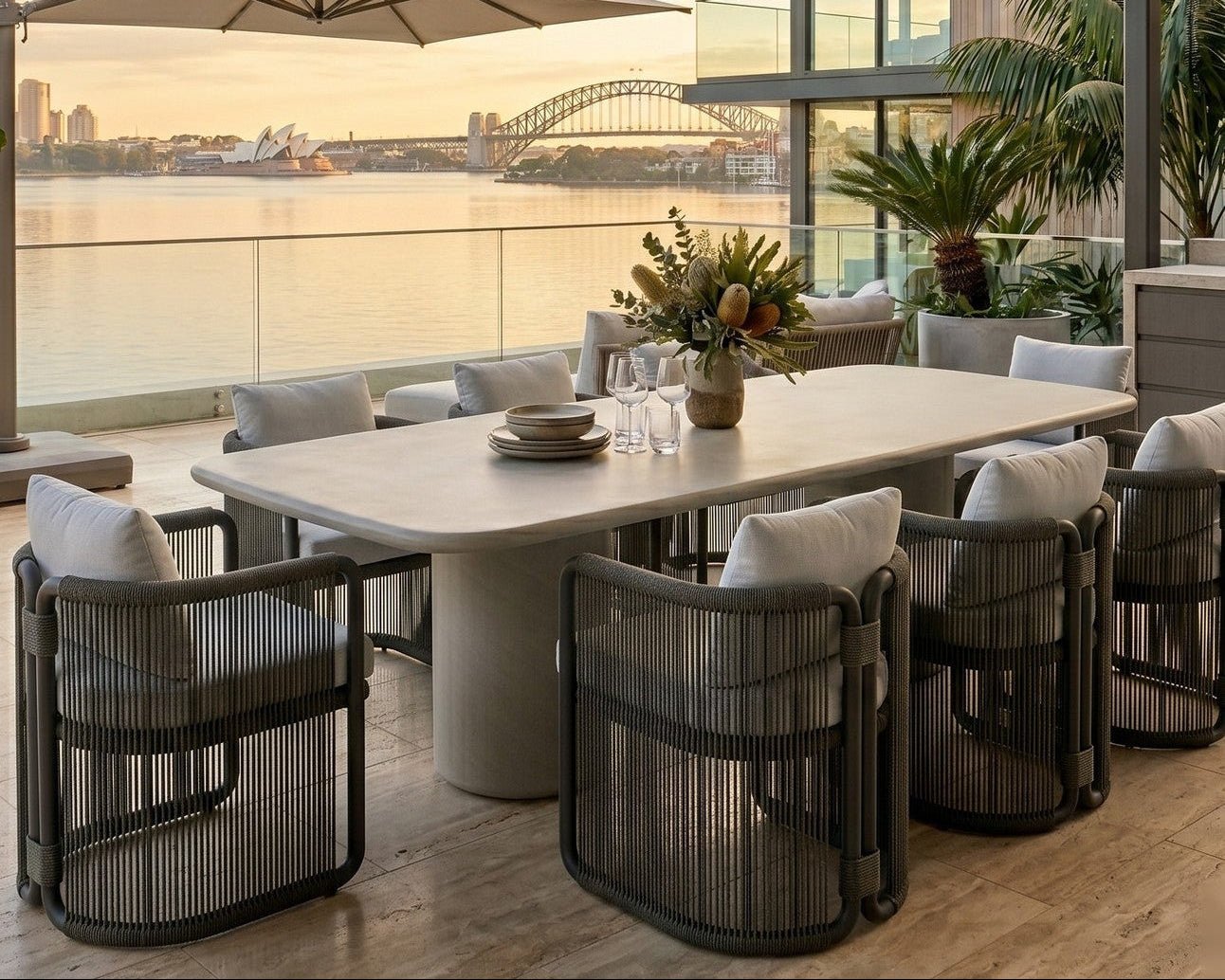
Dining: For entertaining, look for comfortable dining sets constructed from durable materials like teak that can be left outside through the seasons.
-
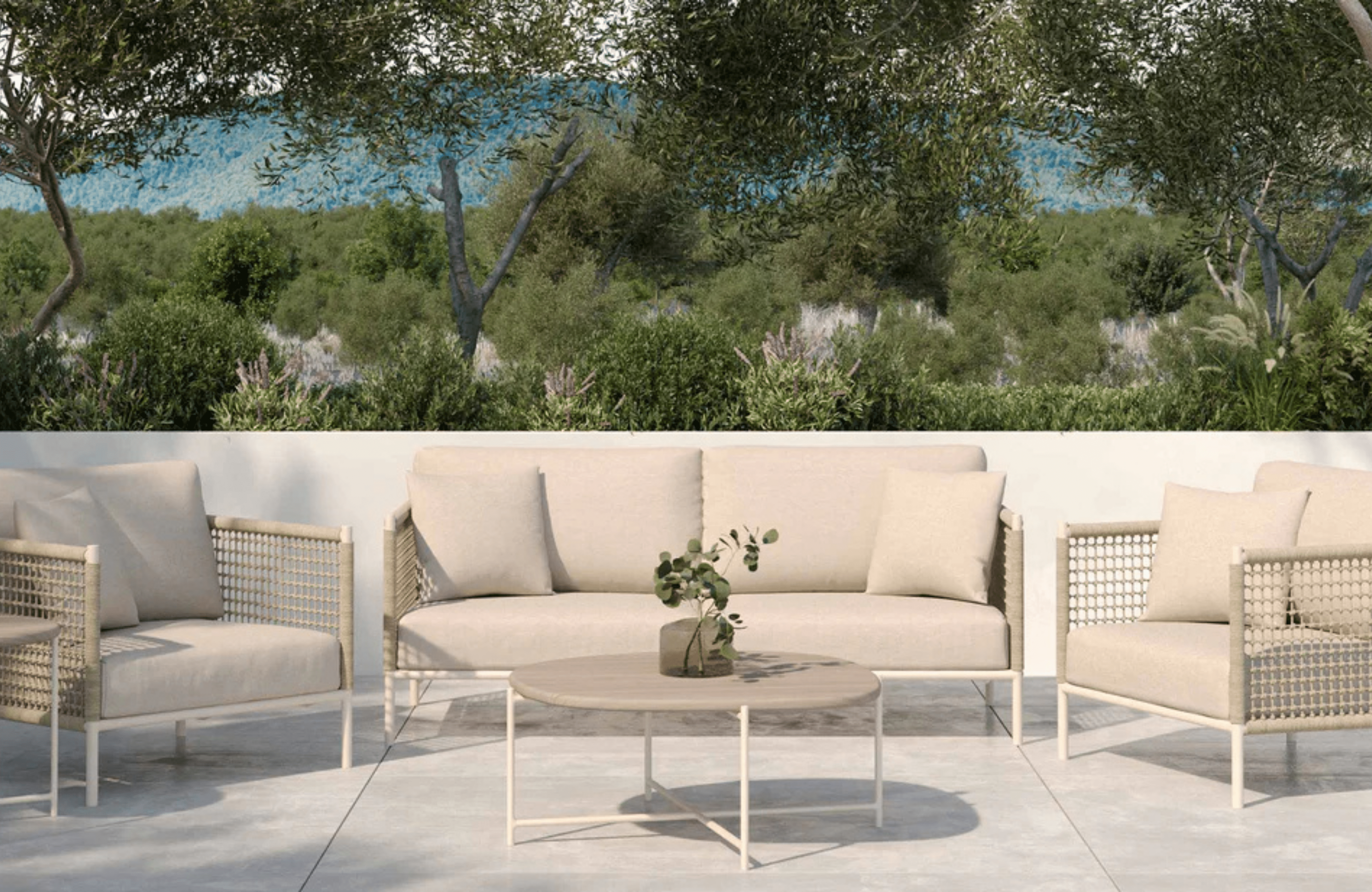
Lounging: For more intimate settings, consider loveseats, chaises, or modular sectionals that can be customised to fit your specific space.
4. Protecting Your Investment
To ensure your furniture lasts a lifetime, consider the following additions and maintenance tips:
-
Performance Upholstery: Look for recycled Sunbrella fabric, which is fade-proof, stain-resistant, and easy to clean.
-
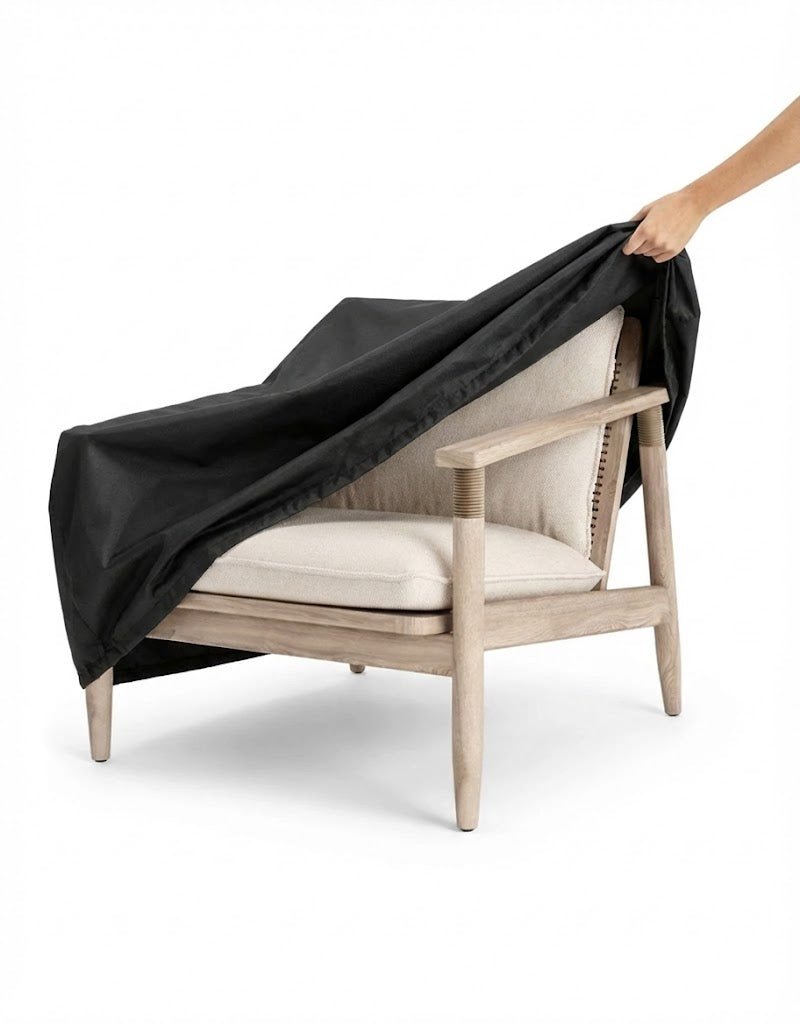
Protective Covers: Using protective furniture covers is an easy way to prolong the life of your pieces by shielding them from harsh weather.
-
Climate Awareness: Consider your local environment.
-
Humid climates: Opt for mould-resistant materials like teak or powder-coated aluminum.
-
Windy climates: Choose heavier materials like stainless steel or solid teak to ensure stability.
-
-
Shade: Invest in a quality patio umbrella that provides protection from the elements and lasts through the seasons.