Teak vs Aluminium Outdoor Furniture: Which Is Right for Your Space?
- Teak and aluminium are both excellent long-term outdoor furniture materials, the choice comes down to aesthetic, maintenance preference and application
- Teak is warmer and more tactile; aluminium is lighter and available in a wider colour range
- Both perform well in coastal Australian environments when properly specified (A-Grade teak; marine-grade powder coat on aluminium)
- Teak requires annual oiling to maintain colour; powder-coated aluminium needs only a periodic rinse
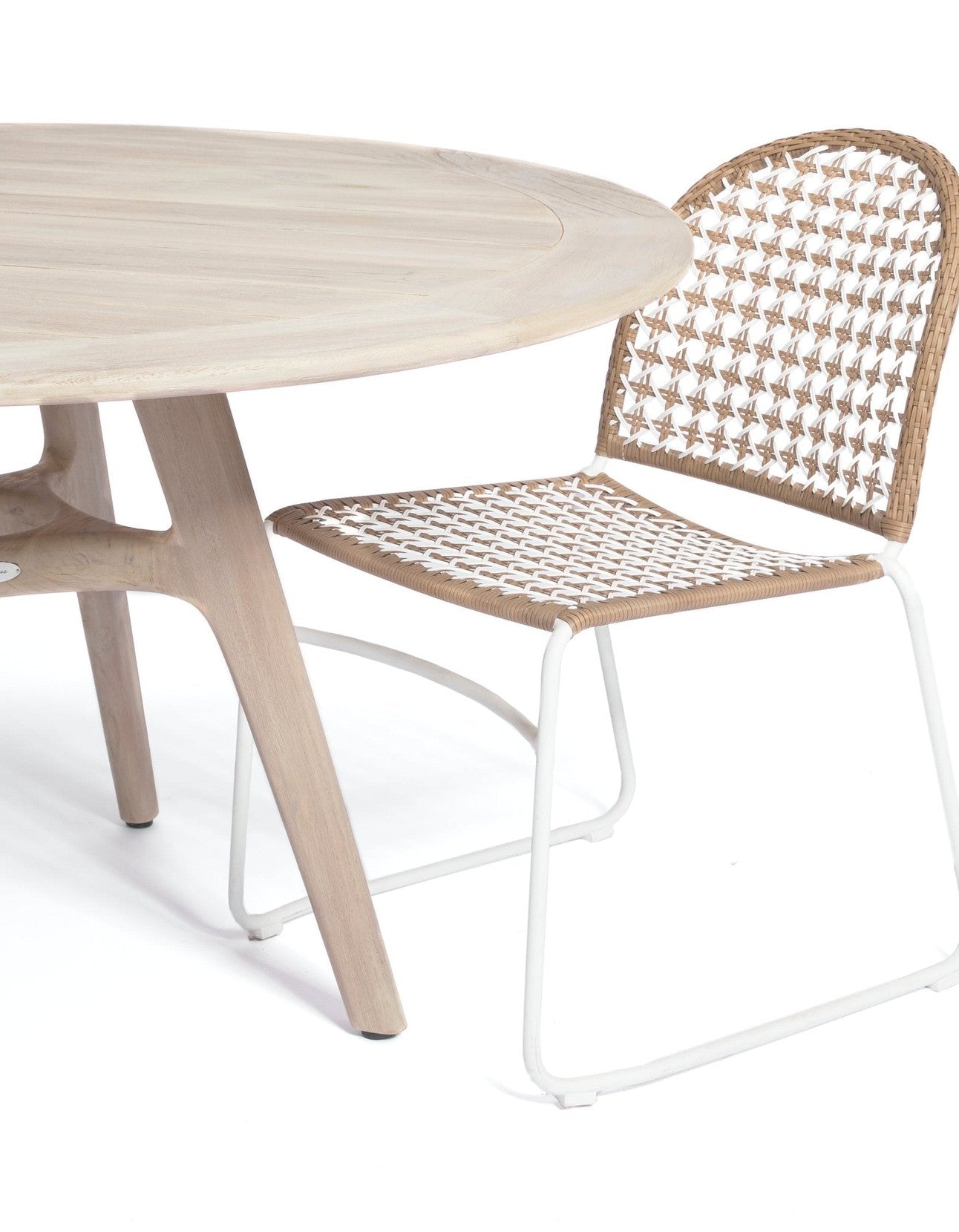
- Many Sissonne designs combine both materials, teak tabletops with aluminium frames, or aluminium frames with rope and teak accents
If you're shopping for outdoor furniture in Australia, teak and powder-coated aluminium are the two materials that dominate quality residential and trade settings. Both perform well, both last decades when properly maintained, and both work in coastal environments. So how do you choose?
The answer usually comes down to three things: aesthetics, maintenance preference, and specific application. Here's how to think through each.
How do teak and aluminium look and feel differently?
Teak is warm. The grain pattern, the golden-to-silver colour range, the weight and solidity underfoot, these all read as natural, grounded and organic. Teak ages visibly and beautifully, developing a silver-grey patina that many people find more characterful than the original honey colour. It has genuine tactile warmth, it doesn't get as cold as metal in winter or as hot in direct sun.
Powder-coated aluminium is clean and precise. Available in almost any RAL or custom colour, it suits both contemporary and transitional outdoor spaces. It has a consistent, controlled aesthetic that doesn't change with age. At its best, with a quality powder coat, it looks sharp for decades.
Our range includes both: teak furniture collections for those who want natural warmth, and aluminium furniture collections for those who prefer a more contemporary, controlled palette.
Which material is lower maintenance?
Aluminium wins on maintenance. A monthly rinse with fresh water (more important in coastal settings) and a periodic wipe-down with mild soap is genuinely all marine-grade powder-coated aluminium needs. No oiling, no sealing, no treatment.
Teak requires more intention. If you want to maintain the golden colour, annual oiling is necessary, cleaning first, then applying teak oil (we recommend Golden Care) with the grain and allowing it to cure. If you're happy for it to silver (which is completely natural and structurally harmless), then teak is also low maintenance, just a periodic clean.
The practical difference: aluminium is set-and-forget; teak rewards attention with better colour retention but is perfectly fine if you don't always provide it.
Which is better for a coastal setting?
Both, when properly specified. A-Grade teak's natural oil content makes it highly resistant to salt air and moisture. Marine-grade powder-coated aluminium is specifically formulated to resist the chloride-laden environment of the coast.
The critical qualifier in each case:
- Teak must be A-Grade heartwood. Lower grades with significant sapwood will deteriorate much faster in high-humidity, high-salt conditions.
- Aluminium must be finished with a marine-grade powder coat, not standard architectural or decorative powder coat. The difference shows within a few years in direct salt air.
See our full guide on outdoor furniture for Australian coastal homes for more detail on material selection by proximity to salt air.
Which is better for a covered or semi-covered outdoor area?
For a covered pergola or alfresco area with less direct UV and rain exposure, teak's natural weatherproofing advantages become less critical and the aesthetic choice moves forward. Both materials are appropriate. Aluminium's lighter weight makes it easier to rearrange in a space used for entertaining. Teak's visual warmth can work particularly well under a timber pergola or beside a garden setting.
Can you mix teak and aluminium?
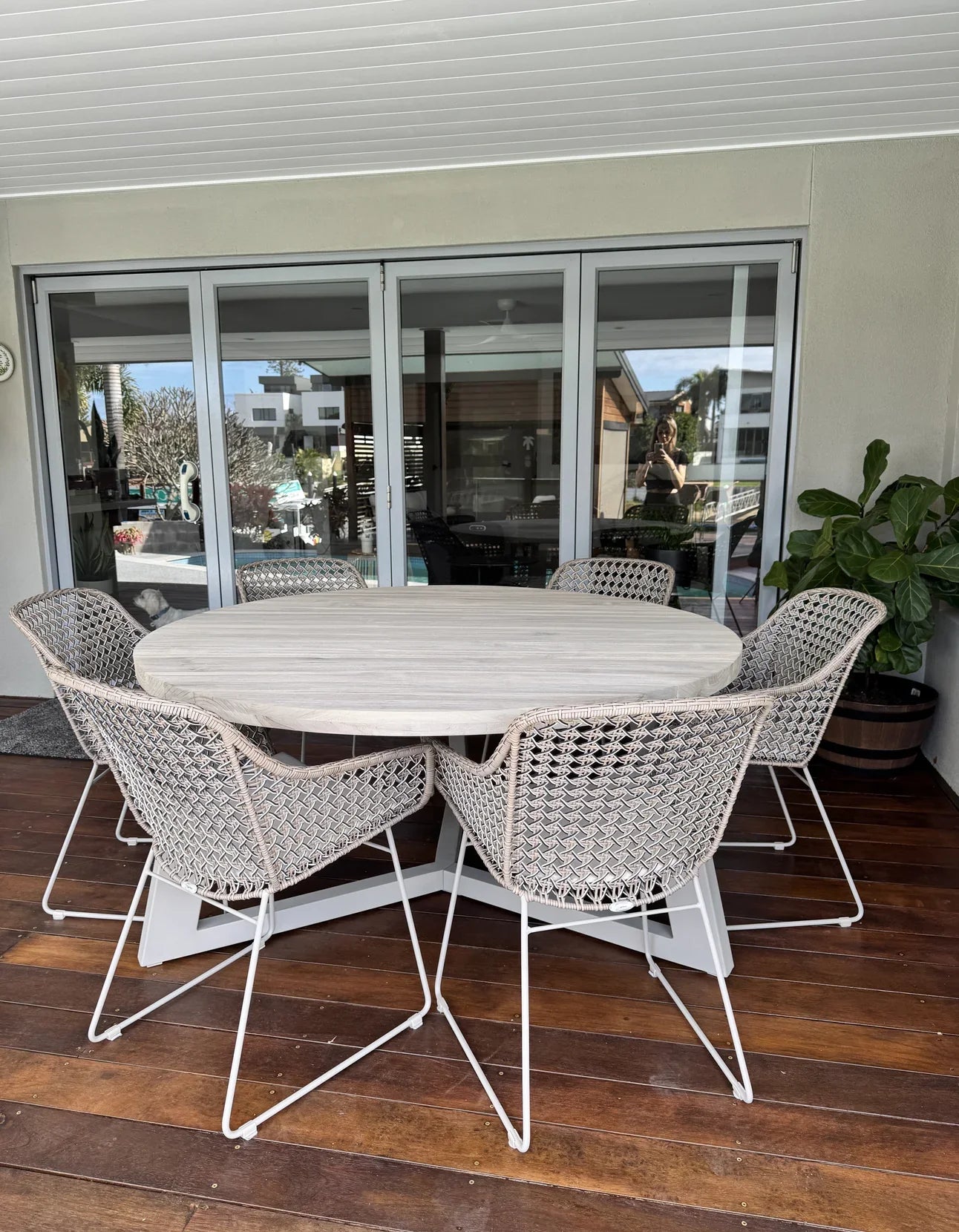
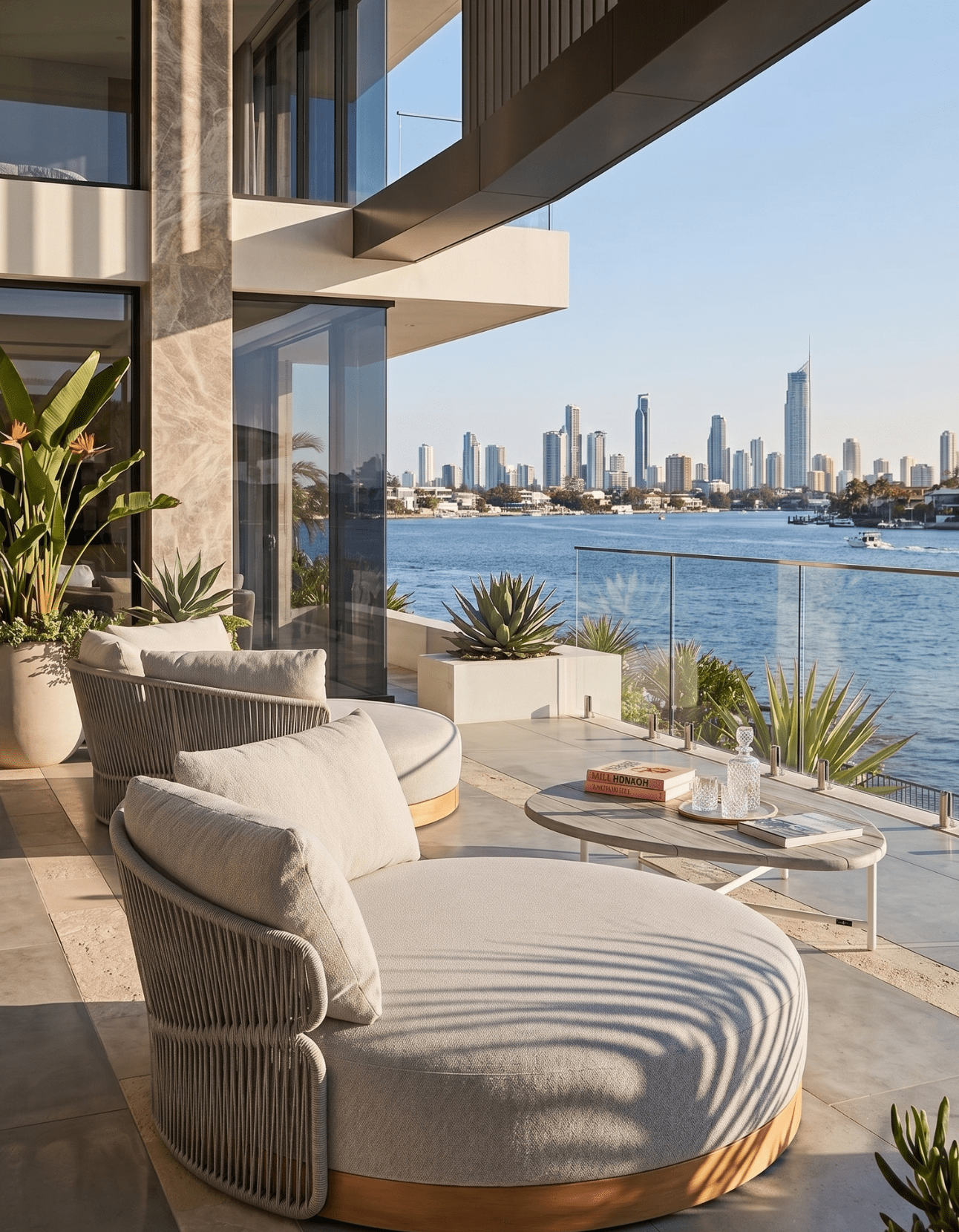
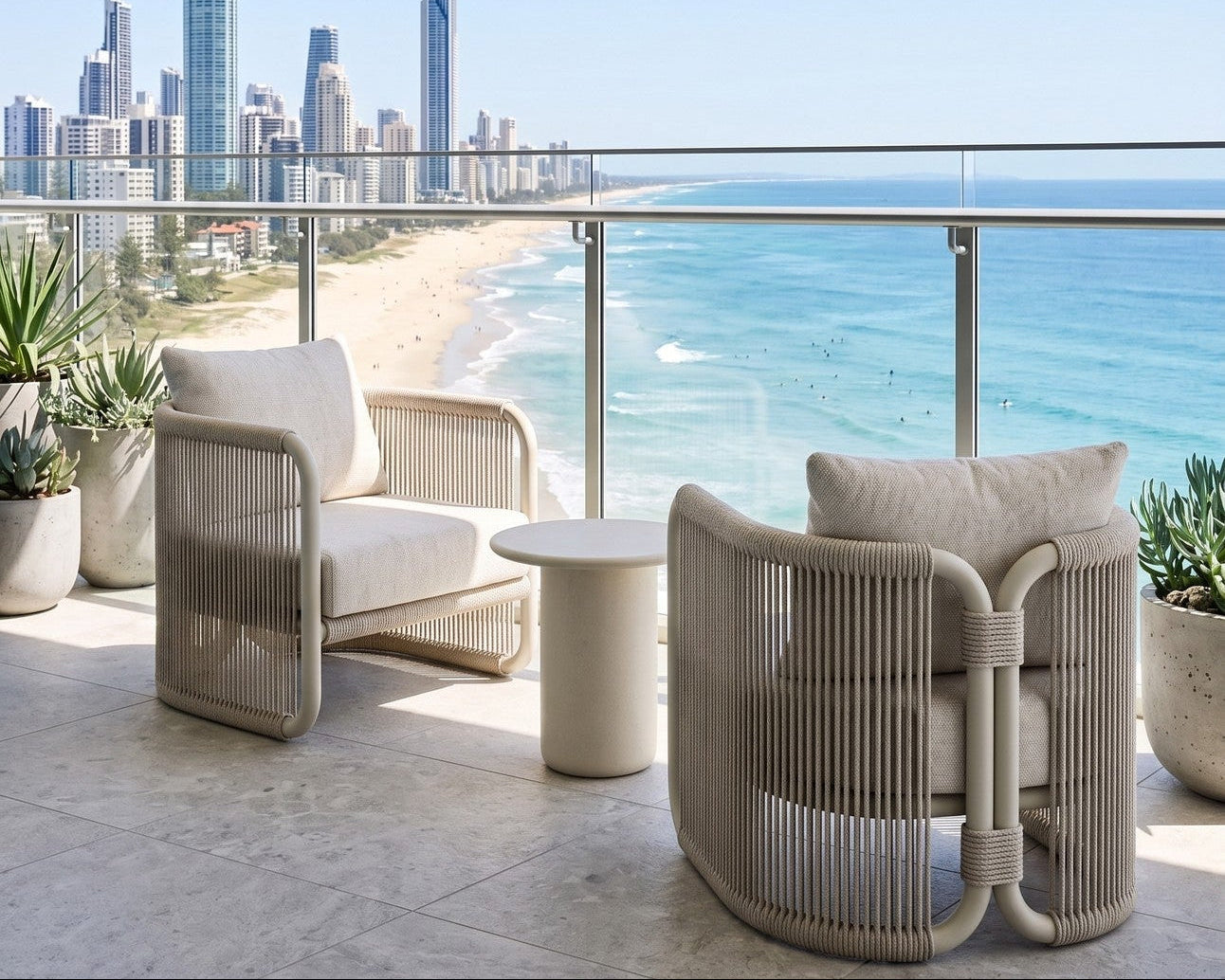
Yes, and many of our most popular configurations do exactly this. A teak tabletop with an aluminium base gives you the warmth and texture of wood with the precise engineering and lighter weight of aluminium. Rope-woven seating on aluminium frames with teak accent arms is another common combination that's become a standard in contemporary Australian outdoor design.
Mixing works because the materials are complementary, not competing, the warmth of timber against the clean lines of aluminium is a classic pairing in outdoor design and one that doesn't date quickly.
Which lasts longer: teak or aluminium outdoor furniture?
Both, properly specified and maintained, last 20+ years. The comparison is less about which lasts longer and more about which fails first in your specific conditions if maintained poorly:
- Neglected teak will silver and look weathered (purely aesthetic) but remains structurally sound for decades. Badly neglected teak in very high humidity can eventually develop surface mould but rarely structural failure.
- Neglected aluminium, specifically where the powder coat is chipped and left unattended in a coastal environment, can develop surface corrosion at the chip point over time. The aluminium doesn't rust through, but the appearance deteriorates.
Frequently asked questions
Is teak or aluminium better for outdoor dining furniture?
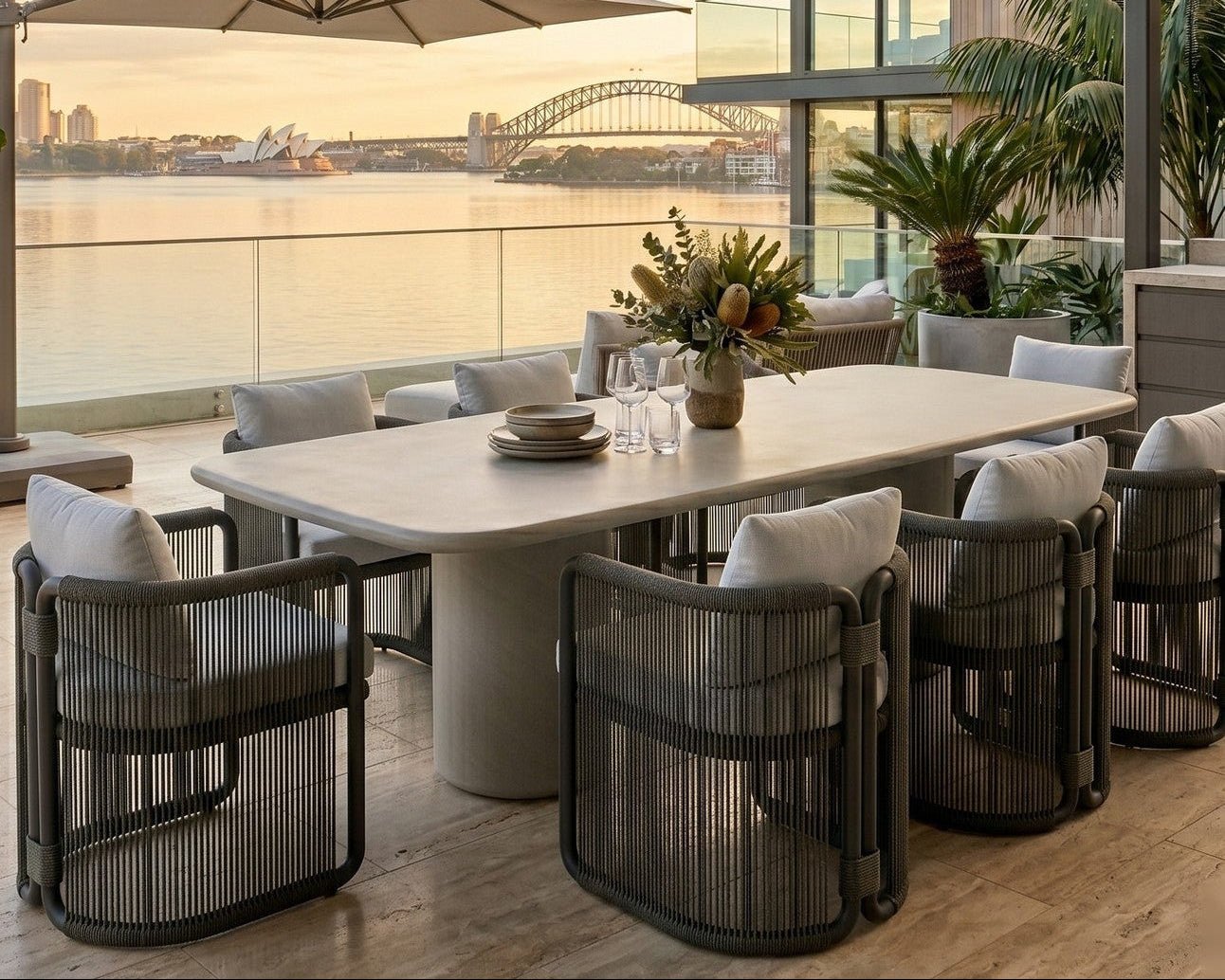
Both are used extensively in outdoor dining. Teak dining tables have a visual substance and weight that works well with both timber and upholstered seating. Aluminium tables are lighter to move, more precise in finish, and suit contemporary settings. The choice comes down to your space's aesthetic rather than a performance difference.
Does aluminium outdoor furniture get hot in the sun?
Metal surfaces, including powder-coated aluminium, will absorb heat in direct sun, particularly in dark colours. A light-coloured powder coat (white, sand, light grey) significantly reduces heat absorption. Armrests and tabletops are the most commonly noticed hot spots. Teak, by contrast, retains less surface heat.
What colour powder coat works best in an Australian outdoor setting?
Light to mid-range colours (white, ivory, sand, charcoal, taupe) tend to hold their appearance longest in high-UV Australian conditions because they show less UV-induced colour shift over time. Very dark colours (matte black in particular) can show chalking in extreme UV environments. Our powder coat is UV-stable, but the base colour choice affects long-term appearance.