
The Sunlounge Buying Guide
The hardest-working piece outdoors
No piece of outdoor furniture works harder than a poolside sunlounge. It lives in the splash zone, takes wet swimmers, sunscreen, chlorine and full-day UV, gets dragged across pavers chasing the sun, and is expected to look resort-perfect doing it. That job description is why sunlounges span from $300 to $3,000, and why the cheap ones fail faster than any other furniture category.
The frame is the purchase
A-grade teak is the resort classic: mass that keeps the lounge planted in wind, natural resistance to water and chlorinated splash, and a visual warmth that makes a pool area feel like a destination.
Marine-grade aluminium is the lighter, contemporary path: easy to reposition through the day, immune to rust, and available in slimmer profiles. Insist on genuine marine-grade alloy and quality powder-coating; what marine-grade actually means explains how to tell.
What to avoid: steel frames of any coating quality near pools, plastic resin lounges that chalk and crack in Australian UV, and any "teak" lounge light enough to lift with two fingers.
Details that separate good from resort-grade
-
Wheels. Substantial wheels on one end, sized to roll on pavers without gouging them.
-
Backrest mechanism. Test it wet-handed. Quality lounges use brass or stainless ratchets with multiple positions.
-
Slat spacing and support. Slats should be close enough to support a body evenly. Lie on the bare lounge in the showroom.
-
Height off the ground. Taller lounges (around 400mm seat height) are dramatically easier to get out of.
-
Fittings. 316 stainless or marine-grade aluminium throughout, including the wheel axles.
The cushion matters as much as the frame
A sunlounge cushion poolside needs solution-dyed fabric (the colour goes through the fibre, so chlorine splash and UV cannot bleach it), quick-dry open-cell foam that drains rather than sponges, and ties or grip backing that keep it planted when the afternoon breeze arrives. The complete care guide covers keeping both cushion and frame in shape.
One lounge or a pair?
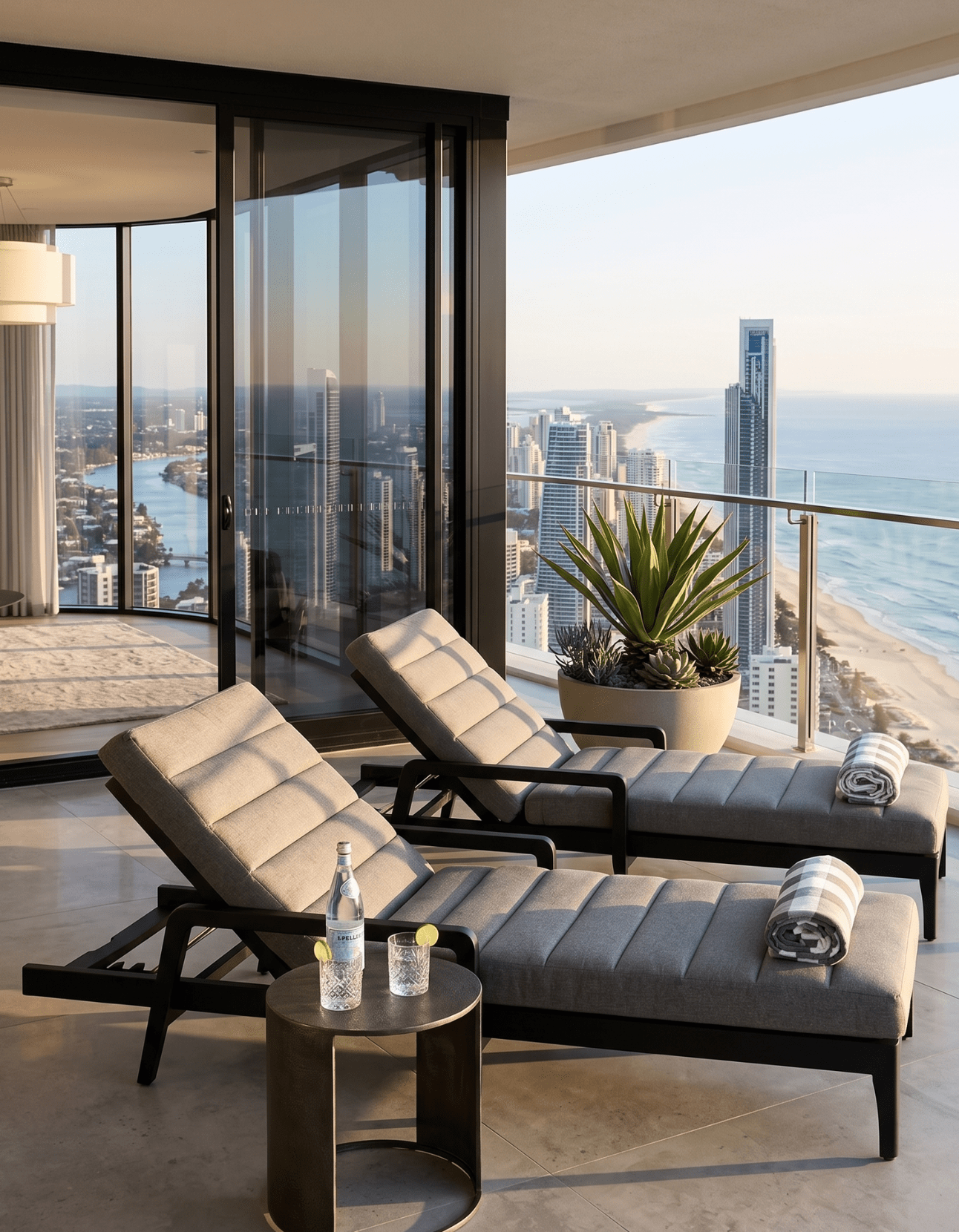
Buy sunlounges in pairs or runs where space allows. A matched pair with a small teak side table between them is one of the most reliable pool styling moves there is. Leave 500 to 600mm between lounges for access.
The quick poolside test
In a showroom: lift one end, work the backrest through every position, roll it a metre, check the underside fittings, and lie on it properly. Shoes off, full recline, three minutes.
What Sissonne Outdoor offers
Our current sunlounge and poolside range includes the Ningaloo Sunlounge in powder-coated aluminium, the Blueys Sunlounge and Eden Sunlounge in A-grade teak, the Burleigh Sunlounger, and the Little Cove Lounge Chair with matching foot stool. Every piece carries a 24-month manufacturer's warranty for domestic and commercial use.
FAQ
What is the best material for a poolside sunlounge? A-grade teak and marine-grade aluminium are the most durable poolside choices. Avoid steel frames and resin lounges in Australian conditions.
Why are some sunlounges so much more expensive? Price differences come from timber grade or alloy quality, mechanism engineering, marine-grade fittings, wheels, and cushion systems.
Do sunlounge cushions survive pool chemicals? Quality cushions in solution-dyed fabric with quick-dry foam handle chlorine splash and wet swimmers well. Rinse occasionally with fresh water and store them dry overnight when possible.
How much space do sun lounges need? Allow roughly 2,100mm of length plus walking clearance, and 500 to 600mm between paired lounges.