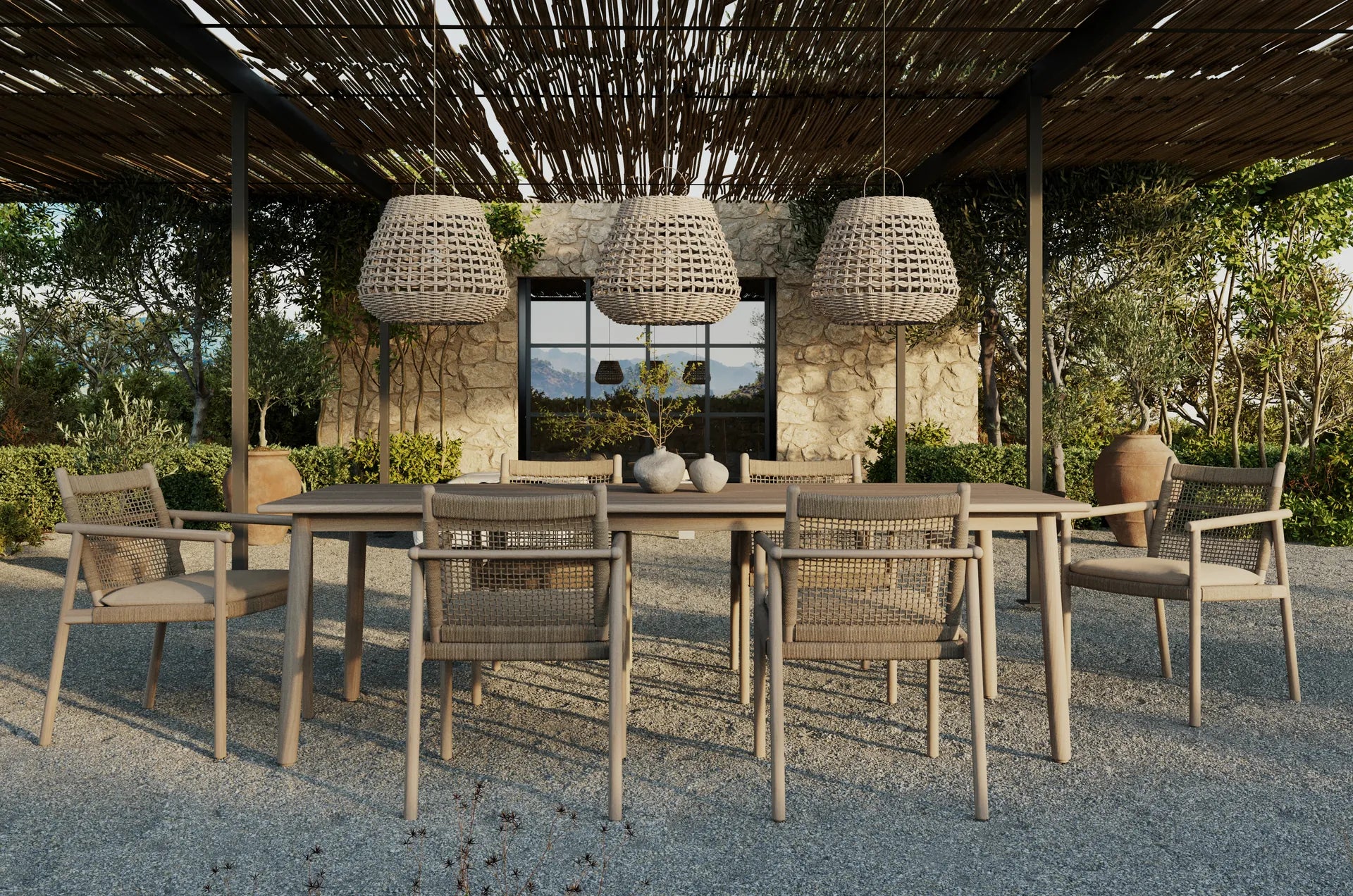
Is Premium Outdoor Furniture Worth It? A Designer's Honest Answer
- Entry-level outdoor furniture typically needs replacing every 2–5 years; quality pieces, maintained properly, last 15–30 years
- The real cost comparison isn't purchase price, it's price divided by years of use
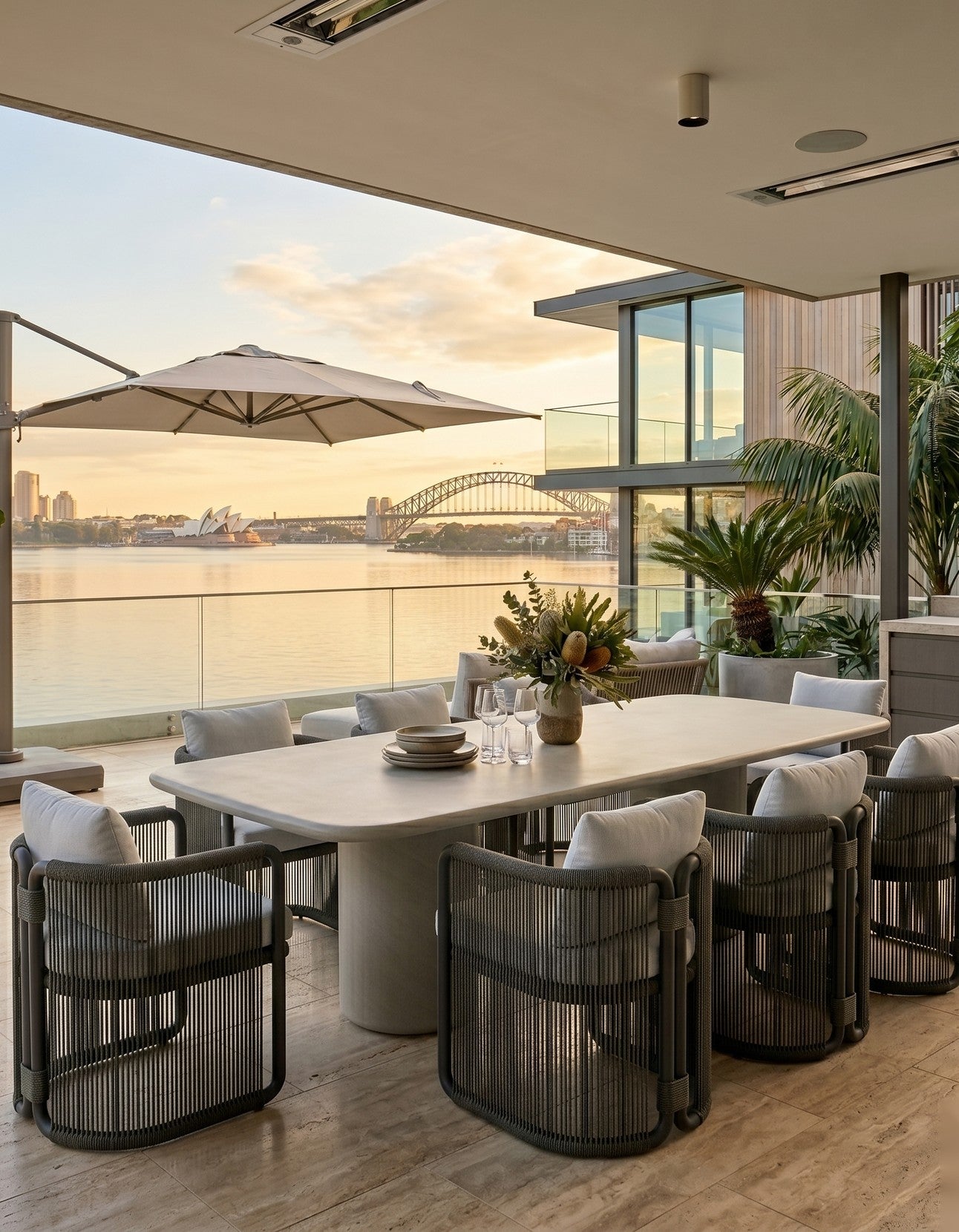
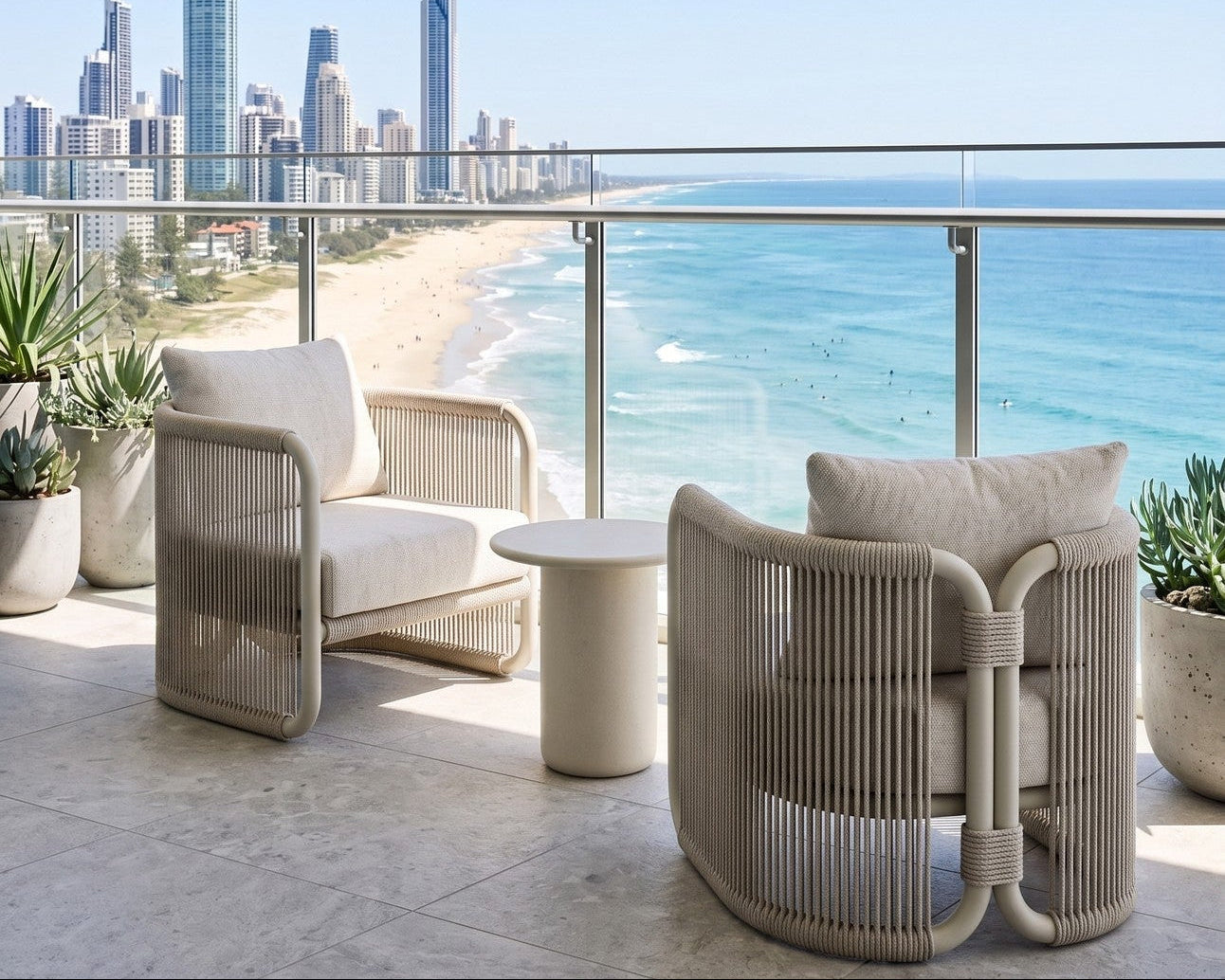
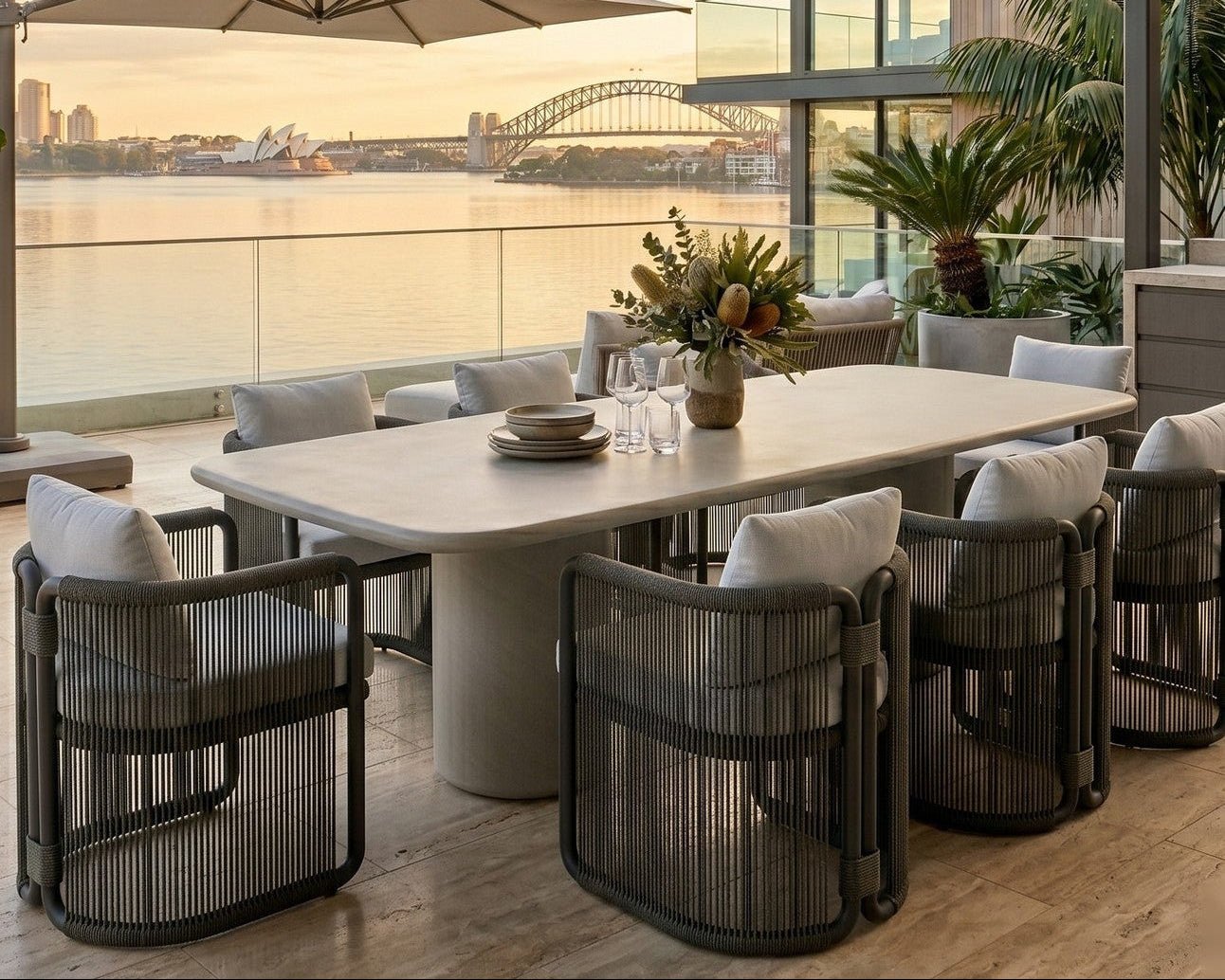
- Premium materials (A-Grade teak, powder-coated aluminium, Sunproof® fabric) hold up in Australian UV and coastal salt air where budget alternatives fail within a season
- Furniture that photographs well and holds condition across years is a category difference, not a luxury, for trade projects
- When the outdoor area is integral to how a home is lived in and sold, premium outdoor furniture is almost always the better investment
By Peter Kerr, Owner & Designer, Sissonne Outdoor
I get asked a version of this question at every showroom visit: is it actually worth spending more on outdoor furniture, or is it just a story premium brands tell to justify a higher price? As someone who spent years specifying furniture for design projects before taking ownership of Sissonne, I think I owe you a direct answer, and a few numbers.
What does "premium" actually mean in outdoor furniture?
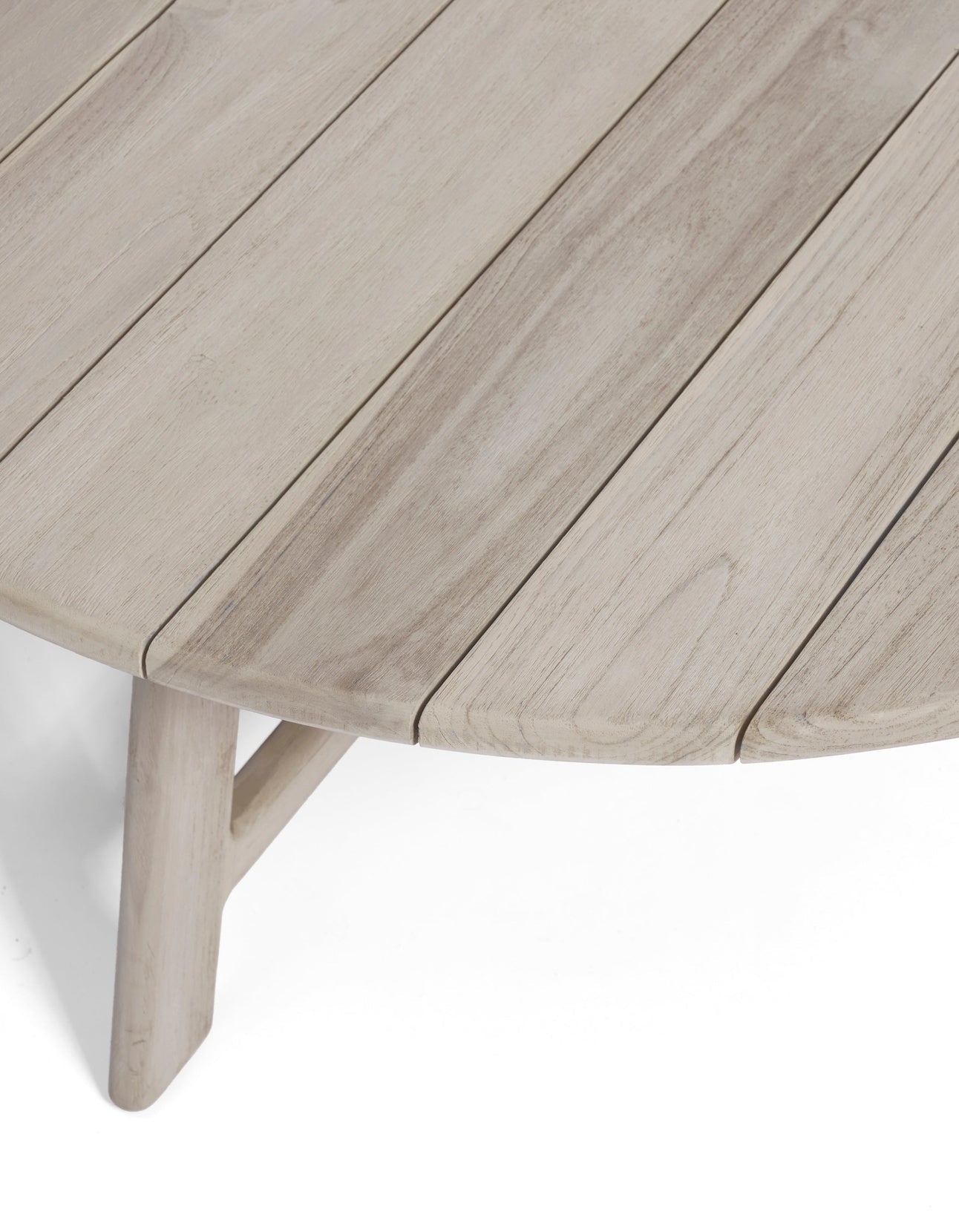
Premium, for us, means three things. First, material grade: we use A-Grade teak (the highest structural grade, cut from the heartwood), marine-grade powder-coated aluminium frames, Sunproof® solution-dyed acrylic fabric, and UV-stabilised synthetic rope. Each has a specific reason to be specified over the cheaper alternative. Second, construction: mortise-and-tenon joinery on timber pieces, through-bolted frame connections on aluminium, double-stitched cushion covers. Third, warranty and service: two years on structural frames, handled by a small team where Erica or I personally resolve anything after the sale.
What premium doesn't mean is simply a high price. There are expensive pieces with none of the above, and mid-market pieces with no material transparency that charge for the brand rather than the build.
How does the cost-per-year calculation actually work?
Consider two teak outdoor dining settings:
- Option A: $800. Grade B teak, pine dowel joinery, budget fabric. Real-world lifespan in Australian conditions: 3–5 years before joints loosen, timber checks badly or cushions fail.
- Option B: $3,500. A-Grade heartwood teak, mortise-and-tenon joints, Sunproof® cushions. Maintained annually. Real-world lifespan: 20+ years, with timber improving in character as it weathers.
Option A: $800 ÷ 4 years = $200/year. Replaced twice over 20 years = $1,600 plus disposal.
Option B: $3,500 ÷ 20 years = $175/year.
This shifts further when you account for the landscaping, decking and styling that often accompanies new furniture, work you don't want to redo every four years.
Does outdoor furniture affect property value?
There's a documented case in Australian property that presentation, including outdoor living spaces, affects buyer perception and achievable price at sale. I won't put a specific number on it, but I've seen poorly presented outdoor areas talked down significantly in valuations, while a considered outdoor setting signals to buyers that the property has been looked after overall.
For those who move every 5–7 years, well-maintained teak and aluminium pieces hold real second-hand value in a way cheap alternatives simply don't.
When is the premium price not worth it?
If you're renting and expect to move within 18 months, if the outdoor space is small and rarely used, or if you're furnishing a short-term rental where guests may not exercise care, the economics shift. A mid-market alternative maintained carefully may be the right call.
Where premium is almost always the answer: owner-occupiers who use their outdoor space regularly, trade projects where furniture needs to hold condition across years of photography and use, coastal or high-UV environments where budget materials visibly degrade within a single summer, and anywhere the outdoor area is integral to how the home is lived in and presented.
What should you look for when evaluating a premium outdoor furniture brand?
- Material transparency. Can they name the timber grade, fabric brand and frame specification? Vagueness here is usually a signal.
- Joinery detail. Mortise-and-tenon for timber, through-bolt or welded for aluminium. Dowel and glue joints on outdoor timber will fail.
- Warranty specifics. What's covered, for how long, and who handles it?
- Who you're buying from. A named team with design credentials is a different accountability structure than an anonymous importer.
Browse our full range of outdoor furniture collections, or visit our Melbourne or Gold Coast Showroom to see materials and construction in person.
Frequently asked questions
How long does quality outdoor furniture last in Australia?
A-Grade teak, maintained with annual oiling, typically lasts 20–30 years. Powder-coated aluminium frames are rated for 15+ years in coastal conditions. Sunproof® acrylic fabric is rated for 5+ years of UV exposure without significant fading, and longer with seasonal care.
Is teak outdoor furniture sustainable?
When sourced responsibly, yes. We use teak from managed plantations, not old-growth forest, with traceability documentation. See our editorial on sustainable A-Grade teak for the full sourcing story.
What's the difference between A-Grade and standard teak?
A-Grade teak is cut from the heartwood, the dense, oil-rich centre of a mature tree with tight, even grain and high natural oil content. Lower grades include more sapwood, which is lighter in colour, lower in oil content and significantly less durable outdoors. The difference is visible in cross-section but impossible to detect in a finished piece without asking directly.