
The Sissonne Guide: How to Store Outdoor Cushions Like a Pro
At Sissonne Outdoor, we believe that luxury furniture should last a lifetime. While our collections are built to withstand the elements, proper care during the off-season is the secret to preserving that "showroom fresh" look year after year.
Effective cushion storage is essential for maintaining the vibrant color, plush comfort, and structural integrity of your outdoor seating. In this guide, we will walk you through the expert steps to prep, clean, and store your cushions like a pro, ensuring they are ready for the first sunny day of spring.
Phase 1: The Pre-Storage Deep Clean
You wouldn't put dirty clothes back in your closet, and your outdoor cushions are no different. Storing dirty cushions invites mould, mildew, and permanent staining.
Step 1: Know Your Material
The cleaning method depends on what you are working with.
-
Fabric Cushions :
-
The Mix: Combine mild detergent with warm water in a bucket.
-
The Scrub: Use a soft-bristle brush to gently scrub the fabric. Be thorough but gentle to avoid fraying fibres.
-
The Rinse: Rinse thoroughly with a hose to remove all soap residue. Leftover soap attracts dirt and can cause discolouration.
-
Pro Tip: Some Sissonne cushion covers are removable! For a deeper clean, unzip the covers and machine wash them on a gentle, cold cycle. Close the zippers before washing to protect the seams, and always air dry.
-
-
Wicker & Weaves: Use a vacuum with a brush attachment to remove dust from deep crevices before wiping down with a damp cloth.
Step 2: Targeted Stain Removal
Don't store a stain! Tackle these common culprits before packing away:
-
Red Wine: Blot excess liquid immediately. Dab with a mix of water, mild soap, and white vinegar. Rinse thoroughly.
-
Bird Droppings: Scrape off dry residue with a plastic utensil. Blot with a solution of water and ammonia-free detergent.
-
Mold & Mildew: If moisture has already struck, mix equal parts white vinegar and water. Scrub the affected area, rinse well, and dry completely.
Step 3: The Golden Rule of Drying
Never store a damp cushion. Moisture is the enemy. Even a small amount of trapped dampness can lead to mould growth in storage. After cleaning, allow your cushions to air dry completely in a well-ventilated, sunny spot. Flip them occasionally to ensure the foam core is dry through and through.
Phase 2: Choosing Your Storage Sanctuary
Where you store your cushions is just as important as how you clean them. You need a location that shields them from moisture, UV rays, and pests.
Option A: Indoor Storage (Best for Longevity)
-
Locations: A climate-controlled garage, basement, or spare closet.
-
Why: This offers the ultimate protection against temperature fluctuations and humidity. It prevents freezing (which can crack vinyl or stiffen foam) and keeps fabrics vibrant.
Option B: Outdoor Storage (Best for Convenience)
-
Locations: Watertight deck boxes, storage benches, or heavy-duty cushion bags.
-
Why: Great for keeping cushions close at hand.
-
The Caveat: Ensure your container is truly waterproof and pest-proof. We recommend placing silica gel packets inside bins to absorb any residual moisture.
Phase 3: The Art of Packing
Maximise your space and protect your investment with these strategic packing tips.
1. The "Sofa Strategy"
Large seat cushions from deep-seating collections (like our Corda or Havana lines) take up the most space.
-
Storage Bags: Invest in large, breathable storage bags.
-
Stacking: Stack seat cushions flat to prevent warping. Avoid placing heavy items on top of them, which can permanently compress the foam.
2. The "Chaise Hack"
Chaise lounge cushions are long and awkward.
-
Fold & Tuck: Fold them once lengthwise. If storing indoors, slide them under a guest bed or behind a sofa to keep them out of sight but protected.
3. Labeling for Sanity
There is nothing worse than a puzzle of cushions in the spring.
-
Tag It: If you have multiple sets (dining vs. lounge), use simple tags or color-coded bags. Grouping cushions by their specific chair makes reassembly effortless.
4. Pest Prevention
Mice love a cozy cushion nest for winter.
-
Seal It: Use airtight plastic bins or heavy-duty zippered bags.
-
Repel It: Toss in cedar blocks or lavender sachets. They act as natural repellents and keep your cushions smelling fresh.
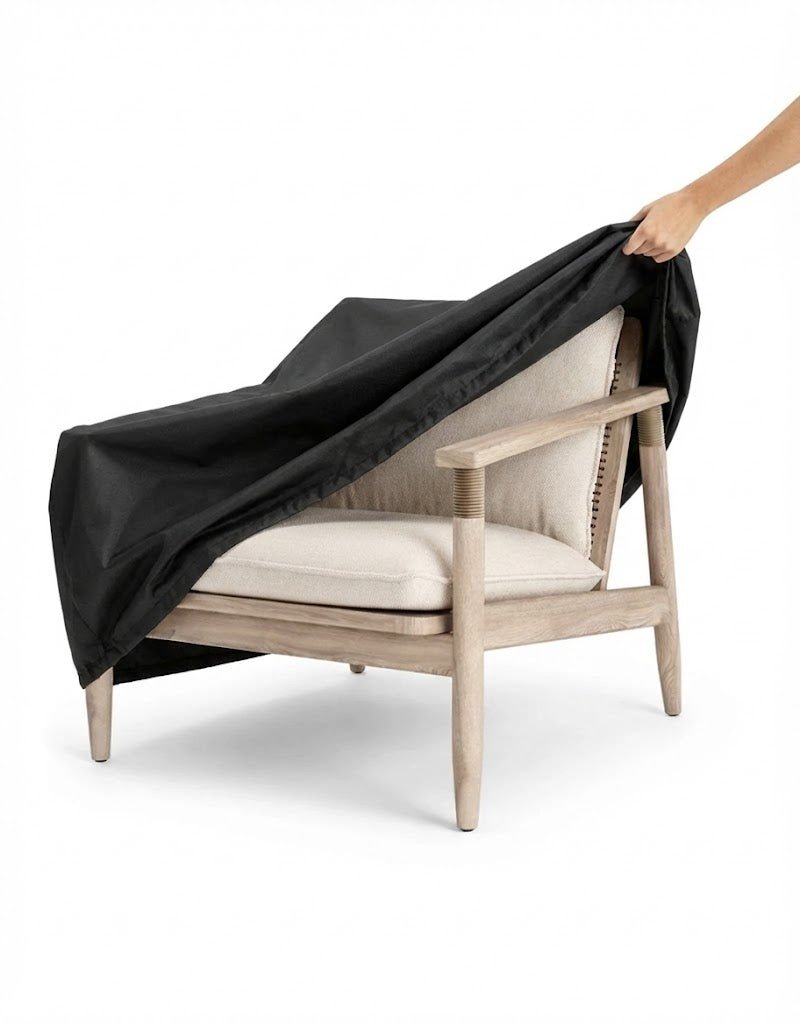
The Sissonne Standard: Custom Covers
While off-season storage is crucial, daily protection matters too.
-
Why use them? They allow you to leave frames outdoors while protecting cushions from sudden summer storms, UV rays, and pollen.
-
The Benefit: They reduce the frequency of deep cleaning, meaning less work for you and a longer life for your furniture.